Buying Property in Croatia as a Foreign National
A practical guide for foreign buyers, including EU citizens, non-EU nationals, companies, taxes, ownership structures and the steps required to safely acquire property in Croatia.
By Hrvoje Čuljak · 10 min read
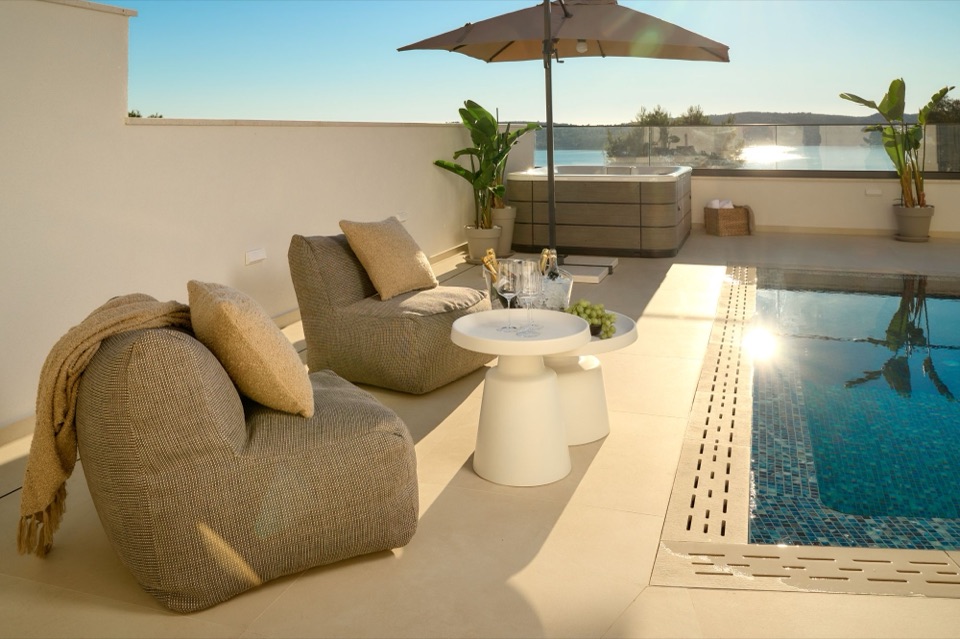
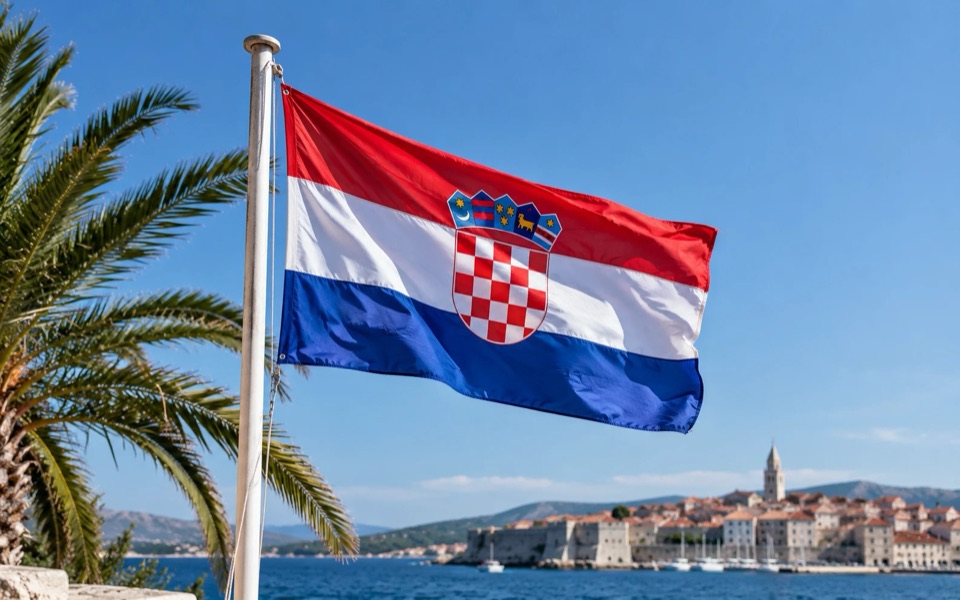
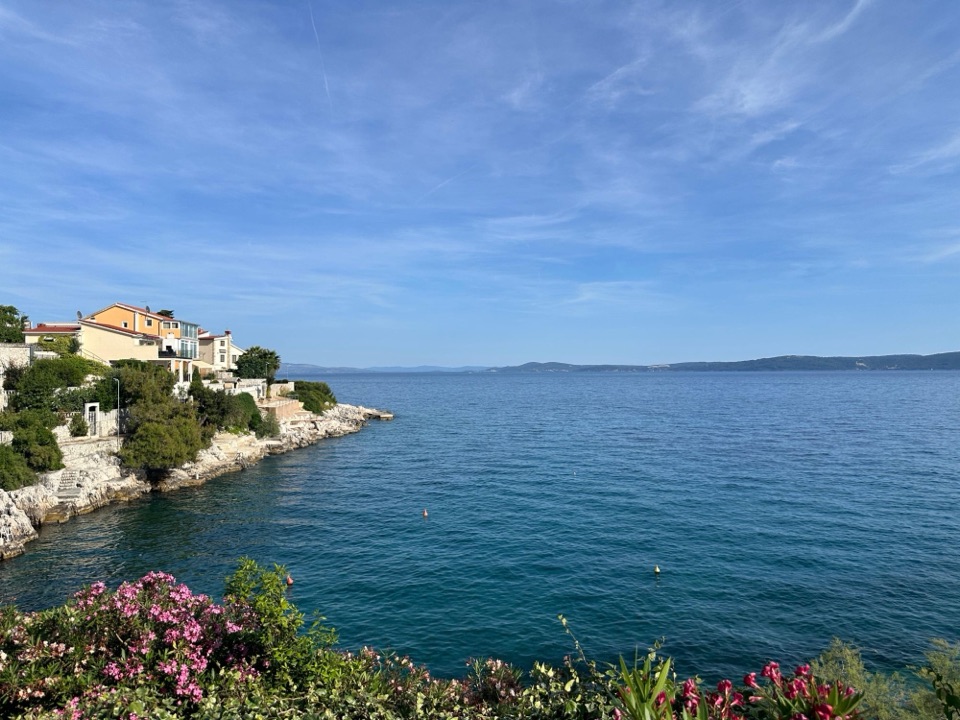
Croatia has become one of Europe’s most attractive destinations for international property buyers. The combination of the Adriatic coastline, EU membership, euro adoption, Schengen access and limited coastal supply has created strong interest from buyers looking for holiday homes, lifestyle residences and long-term investments.
For international buyers, especially those purchasing from outside the European Union, the Croatian property market offers significant opportunities, but the process is different from many other countries.
Finding the right villa or apartment is only the first step. Successful acquisitions depend on understanding ownership structures, legal requirements, taxation, documentation and the practical differences between buying as a private individual, through a company or as an investor.
At PEAK ESTATE, we specialize in assisting international buyers throughout the Croatian real estate process, from identifying suitable opportunities to coordinating due diligence and connecting buyers with trusted local professionals.
Who can buy property in Croatia?
The ability to purchase real estate in Croatia depends mainly on the buyer’s citizenship and acquisition structure.
EU and EEA citizens
Citizens of European Union and European Economic Area countries can generally purchase real estate in Croatia under the same conditions as Croatian citizens.
The process is relatively straightforward and usually involves:
- obtaining a Croatian tax identification number (OIB)
- signing the purchase documentation
- completing payment
- registering ownership in the land registry
For EU buyers, the main challenge is usually not the ability to purchase, but ensuring that the property has a clean legal status and matches their intended purpose.
Non-EU buyers: what you need to know
Croatia attracts a growing number of buyers from outside the European Union, including investors and private clients from countries such as the United States, United Kingdom, Switzerland, Canada, the Middle East and Asia.
Non-EU citizens can purchase real estate in Croatia, but the process depends on reciprocity between Croatia and the buyer’s country of citizenship.
In practice, this means:
- approval from the Croatian Ministry of Justice may be required
- the procedure can take several months
- ownership registration cannot usually be completed before approval is obtained
Because timelines vary depending on nationality and documentation, international buyers should consider this step early in the process.
Two current specifics: Swiss citizens with registered residence in Croatia do not need approval, and reciprocity is temporarily suspended for Canadians buying homes in larger towns (until the end of 2026) and for Australians buying existing property (until March 2027).
This is expected to change soon. With Croatia’s full membership of the OECD, citizens of all OECD member states, including the United States, the United Kingdom, Switzerland, Canada and Australia, will be able to buy real estate in Croatia on the same terms as Croatian citizens, without the reciprocity check or ministerial approval. The law has already been adopted and takes effect on the day Croatia joins.
At PEAK ESTATE, we help foreign buyers understand these requirements before they commit to a property and coordinate the process with local legal professionals.
Buying through a Croatian company
For some international buyers, purchasing through a Croatian company (d.o.o.) can be an alternative structure.
This approach is often considered for:
- non-EU buyers
- investment portfolios
- rental businesses
- development projects
- buyers acquiring multiple properties
However, a company structure also creates additional obligations:
- accounting requirements
- annual reporting
- corporate tax considerations
- administrative costs
The optimal structure depends on whether the goal is personal use, investment income, asset protection or future development.
A proper acquisition strategy should be defined before searching for properties.
Taxes and costs international buyers should understand
The purchase price is only one part of acquiring property in Croatia.
International buyers should consider the complete acquisition cost.
Real estate transfer tax
For most resale properties, the buyer pays 3% real estate transfer tax, calculated based on the market value of the property.
VAT on new developments
Properties purchased directly from developers are usually subject to 25% VAT instead of transfer tax.
In many new-build projects, VAT is already included in the advertised purchase price.
This distinction is especially relevant in coastal markets where newly built apartments and villas represent a significant part of available inventory.
Additional acquisition costs
Depending on the complexity of the transaction, buyers should also consider:
- legal due diligence
- notary costs
- translation costs
- registration fees
- brokerage fees according to the agreed mandate
For international buyers, professional guidance is usually a small investment compared with the potential risks of purchasing without local expertise.
The buying process in Croatia for international clients
1. Defining the acquisition strategy
Before searching, we help buyers define:
- preferred location
- property type
- budget
- lifestyle requirements
- investment objectives
- ownership structure
Croatia is not one single market. A waterfront villa near Split, an island residence, an Istrian property or a hospitality investment each require a different approach.
2. Sourcing the right opportunities
International buyers often search through global portals and quickly discover that the Croatian market is fragmented.
Many relevant opportunities are not necessarily visible through international platforms.
A local advisory approach provides access to:
- publicly marketed properties
- developer opportunities
- local market intelligence
- privately shared opportunities when appropriate
Our role is not simply to present listings, but to identify opportunities that match the buyer’s objectives.
3. Due diligence before purchase
The most important stage is often before signing.
Every property should be reviewed carefully.
Ownership verification
The land registry should confirm:
- ownership structure
- registered rights
- mortgages
- restrictions
- potential disputes
Building legality
Especially along the coast, buyers should verify:
- building permits
- legalization status
- registered property size
- compliance between documentation and reality
A property can look perfect while still requiring clarification behind the scenes.
Three mistakes international buyers should avoid
1. Falling in love with the property before checking the documents
The Adriatic coastline creates emotional decisions. A sea view, location and architecture can be exceptional, but the legal foundation must support the investment.
2. Assuming every existing building is fully legal
Older coastal properties, extensions and renovations require careful review.
A completed building does not automatically mean that every part of it is properly registered.
3. Underestimating local market differences
Prices, regulations and opportunities vary significantly between regions.
The right strategy for Split, Dubrovnik, Istria, islands or northern Adriatic locations can be completely different.
Why international buyers work with PEAK ESTATE
Buying property abroad requires more than access to listings.
International clients need a local partner who understands:
- the Croatian market
- the legal framework
- regional differences
- negotiation dynamics
- trusted local professionals
PEAK ESTATE specializes in guiding international buyers through Croatian real estate acquisitions, combining local market access with an international approach.
From the first conversation to ownership registration, we help clients make informed decisions when acquiring property in Croatia.
Private advisory for international buyers.
General information only. Not legal or tax advice.
Begin a private conversation
Tell us what you are looking for. We will take it from there.
More insights